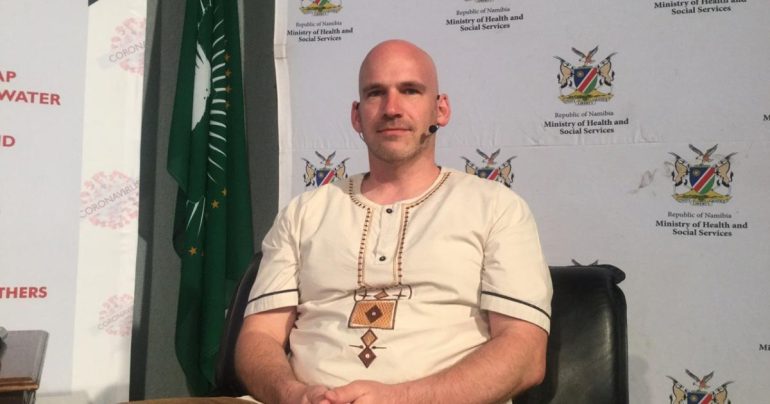
Photo: NAFSAN
Windhoek, Namibia — The Nutrition and Food Security Alliance of Namibia (NAFSAN) has raised urgent concerns about the rising consumption of sugar, particularly among young children, in an interview with director Ben Schernick. The issue, he says, goes beyond individual dietary preferences and has deep public health and economic implications.
“One of our biggest concerns is the high level of sugar consumption, especially among children between the ages of zero and two,” Schernick told local media. “At that age, taste preferences are being formed, and early sugar exposure can contribute to addiction and negative health outcomes later in life.”
Imported Baby Foods Under Scrutiny
Recent global investigative reporting by Public Eye has drawn attention to sugar levels in baby food products sold locally. NAFSAN, in collaboration with the Nutritionists Association of Namibia, contributed to the analysis of baby food products produced in South Africa and sold here — including well-known brands like Serrelac.
“These products were found to contain more than 10 percent pure sugar,” Schernick said. “For baby foods, that is far too high. There should not be any added sugar in products designed for infants.”
The director emphasized that while highly regulated markets in Europe are already addressing similar concerns, Namibia lacks the stringent oversight necessary to protect its youngest consumers.
Call for Stronger Regulations and Public Health Policies
NAFSAN has joined forces with several non-governmental organisations across Africa in signing an open letter to global manufacturers, urging them to reformulate sugary products marketed to infants and young children.
Locally, Schernick says policymakers must act to safeguard public health. “We need very clear and strong legislation and regulations that are not only enacted but also monitored and enforced, with consequences for companies that violate them,” he said.
The Nutrition and Food Security Alliance also advocates for expanded public education on the dangers of sugar overconsumption — not just for children but for adults too. High sugar intake, especially from early childhood, significantly increases the risk of obesity, type 2 diabetes, and other non-communicable diseases.
Economic Costs of Sugar-Related Diseases
Another key concern is the economic burden of treating sugar-related illnesses. Schernick pointed to studies suggesting that obesity and diabetes-related health costs account for an estimated 8–9 percent of the country’s GDP. “From both a health and economic perspective, that is far too high,” he said.
Reversing the Sugar Tax Break
The Alliance also wants the government to reconsider a controversial tax policy introduced in 2010 that exempts white and brown sugar from value-added tax (VAT). Schernick argues that this exemption effectively subsidizes sugar consumption and undermines broader public health goals.
“We can also discuss sugar-sweetened beverage taxes and other fiscal policies, but first there must be recognition of the harm caused by high sugar consumption and a willingness to act,” he said.
Looking Ahead
As Namibia prepares its workforce and population for future growth and development, Schernick says nutrition and preventive health must be priorities.
“Sugar is harmful when overconsumed, and we are calling on government, civil society, and industry partners to help protect our children and communities from unnecessary health risks,” he concluded